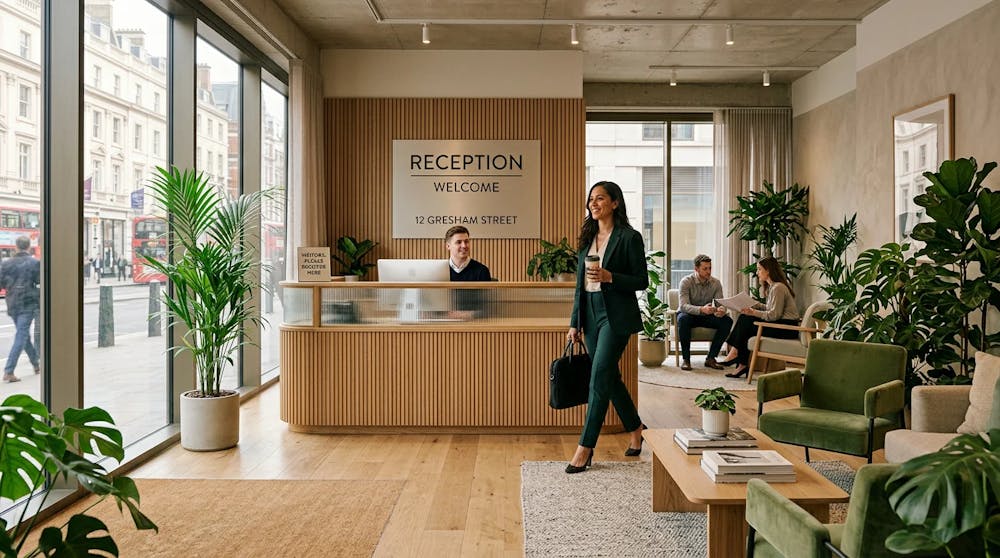
More than a quarter of working adults in Great Britain now split their week between home and the workplace. That single shift has reshaped how businesses search for premises, and understanding how to rent office space that suits a hybrid team has rarely mattered more. Whether you are scaling a startup or relocating an established firm, our Bristol workspace options demonstrate how flexible arrangements now support every stage of growth.
According to the Office for National Statistics, 28% of working adults in Great Britain hybrid worked in early 2025, a proportion that has risen steadily since 2022. This trend explains why so many businesses are rethinking the amount and type of space they need. The good news is that the process becomes far simpler once you break it into clear, manageable stages.
Is renting the right move for your business?
Before you begin viewings, it is worth confirming that renting genuinely fits your plans. Renting keeps capital free, reduces maintenance responsibilities, and offers a level of agility that ownership cannot match. For most growing teams, that flexibility is decisive.
The market reflects this appetite. The UK flexible office sector was valued at USD 3.84 billion in 2025 and is estimated to reach USD 4.19 billion in 2026, driven by employers embedding hybrid working into their long-term property strategies. Renting allows you to participate in that flexibility without committing to a lengthy lease that may not match your headcount in two years' time.

The main types of office space you can rent
One of the trickiest parts of the office rental process is understanding the options available. Each type carries a different balance of cost, commitment and convenience. The table below compares the most common choices.
| Office type | Typical commitment | Setup included | Flexibility |
|---|---|---|---|
| Conventional leased office | 3 to 10 years | None (fit-out is yours) | Low |
| Serviced office | 12 months or less | Furniture, utilities, internet | Medium |
| Coworking desk | Daily to monthly | All amenities shared | High |
| Managed office | 1 to 3 years | Bespoke private fit-out | Medium |
| Block Workspace membership | Ultra flexible, no hidden costs | Private offices, coworking, lounges and perks | Very high |
If you prefer to move straight in without buying furniture or managing utilities, a serviced office is often the simplest starting point. Our serviced offices in Bristol combine that convenience with transparent terms, so you avoid the surprise charges that catch many first-time tenants off guard.
Budgeting and choosing the right location
Office costs are usually one of the largest business expenses, so it pays to build a realistic budget early. The headline rent rarely reflects the true figure. Remember to account for the extras that quickly accumulate.
- Utility and energy bills where they are not included
- Business rates, which vary by council and property value
- Service charges, maintenance and repairs
- Insurance, moving costs and any fit-out work
Location deserves equal attention. Choose premises that are easy to reach by public transport and convenient for both staff and clients. A well-connected address also shapes how prospective customers perceive your business. If parking matters to your team, confirm what is available on site or nearby before you commit.
Designing your space around hybrid working
How much space do you actually need? With attendance concentrated on certain weekdays, many teams now rent less desk space than headcount alone would suggest. Right-sizing avoids paying for empty floors while preserving room to collaborate.
Structured hybrid policies are now the norm. The Chartered Institute of Personnel and Development reports that 65% of UK organisations require employees to attend the workplace a minimum number of days each week or month. When you rent, prioritise spaces that flex with these patterns, such as bookable meeting rooms, quiet zones and shared lounges that fill only when your team is in. Our shared office space in Bristol is designed precisely for this rhythm, giving you room to grow without the fixed overhead.

Understanding leases, licences and break clauses
Once you have shortlisted a space, the legal detail becomes essential. The key distinction is between a lease and a licence. A licence grants you the right to use a property, usually for a shorter, more flexible period. A lease grants exclusive possession and typically runs for much longer.
Whichever route you choose, examine the break clause carefully. It sets out how and when either party may end the agreement early, and how much notice is required. Clarify what modifications you are permitted to make, and confirm exactly what is included in the rent. Reading these terms closely protects you from the hidden costs that undermine many otherwise sound decisions.
Viewings, negotiation and moving in
Viewings are your opportunity to test the reality against the brochure. Assess ventilation, heating, natural light and the general condition of the building. Ask about access hours if your team works outside conventional times, and picture how the layout will function on your busiest day.
Demand for quality flexible space remains strong, which strengthens the case for acting decisively on the right premises. Savills reports that London flexible office occupancy rose to 86% by the end of the first half of 2025, up from 82% a year earlier. Well-located, amenity-rich spaces are being absorbed quickly, so prepare your questions and negotiating position in advance. When you find the right fit, our private offices in coworking hubs let dedicated teams settle in while retaining access to a wider community.
Conclusion
Renting office space is far less daunting when approached in stages: confirm that renting suits your plans, compare the types available, budget honestly, size your space around hybrid patterns, scrutinise the legal terms, and view before you sign. With the UK flexible office market projected at USD 4.19 billion in 2026, the choice of quality, agile workspace has never been broader. The businesses that thrive are those that treat renting office space as a strategic decision rather than a rushed formality. Because we combine ultra flexible memberships with transparent pricing and genuine community, we help teams settle in without unexpected costs or long-term risk. To take the next step, explore our head office spaces in Bristol and find a home that grows with you.
Frequently Asked Questions
What is the difference between a lease and a licence?
A licence grants permission to use a space for a shorter, flexible period. A lease grants exclusive possession, usually over several years, with more restrictive terms.
How much office space does a team actually need?
Requirements vary, but computer-based work typically calls for roughly 150 to 250 square feet per person. With hybrid attendance, many teams rent less than headcount alone suggests and rely on shared areas for peak days.
Are serviced offices suitable for a small startup?
Yes. Serviced offices remove the cost of furniture and equipment and offer short notice periods. Our flexible memberships take this further, letting startups scale up or down without hidden charges.