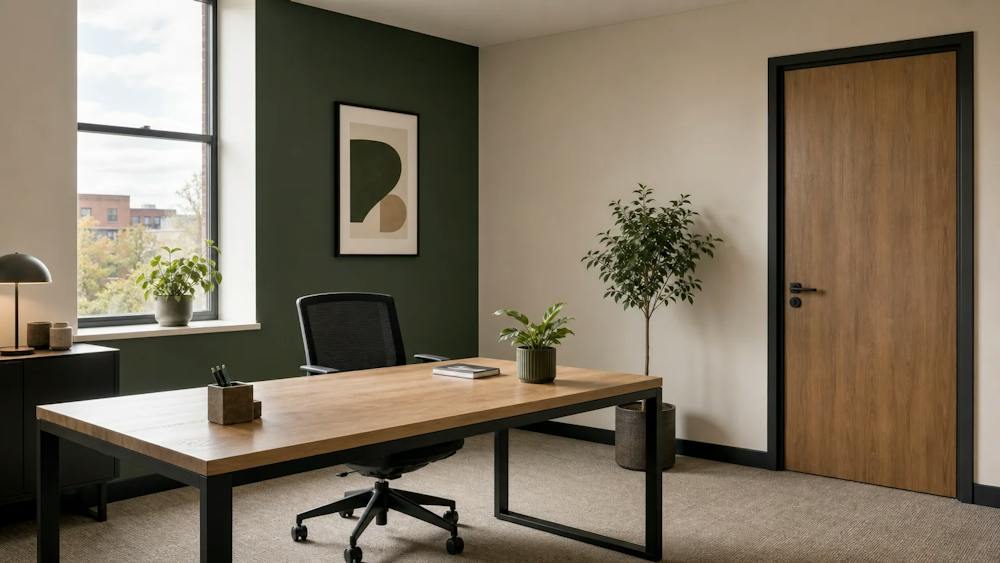
Who usually uses private office spaces? Typically, small and growing businesses, established organisations and teams that need a dedicated base for focused work or working together. The best fit depends less on company size than on how often you need a room of your own, your work’s privacy needs and whether shared desks would suit your team. For a practical comparison, read about flexible workspaces compared with traditional offices.
In Birmingham, a private office may suit a small firm that wants a regular base, a team that needs to work together or an organisation establishing a city presence. It is not automatically right for every independent professional. If you need workspace only occasionally, shared coworking or access for a day may be a better match than a room you rarely use.
Who commonly uses a private office?
Small businesses and start-ups may choose a private office when working from home or a shared area no longer meets their needs. A dedicated space gives their team a consistent place to work, without assuming that every business needs a large conventional office.
Growing teams can also benefit when colleagues need to work together regularly. The office provides a shared base as the organisation develops, though the number of people using it and the amount of space required will vary.
Established organisations may use private offices for a local team, a project group or a workspace in a different city. Some independent professionals may prefer their own office for regular focused work or private conversations. If you work alone, consider how often you would use it before choosing a dedicated room over shared access.
Why choose a dedicated office over shared desks?

A private office provides a dedicated workspace for the people or organisation using it. That arrangement can help when a team needs a regular place to work together, or when calls and focused tasks are difficult to manage in a shared area.
Shared coworking offers a different setup. You work in a collaborative environment alongside other people, which may suit those who do not need a room of their own. Consider how much privacy, concentration and day-to-day collaboration your work requires. A good workspace community can matter too if you are considering shared space.
Privacy needs do not make every private office suitable for confidential work. Before deciding, ask about the specific room, its layout and what facilities are included. At BLOCK Workspace, our private offices provide dedicated workspace for businesses and organisations at different stages of development, including at our Birmingham location.
When might shared or occasional workspace be a better fit?
A private room may be more space than you need if you work independently, visit a workspace only now and then or prefer a shared atmosphere. Coworking areas and lounges give you another option when a dedicated office is not essential.
For occasional use, check whether a provider offers day access and what that access includes. Our coworking membership options may be relevant if you are considering ongoing access to shared workspace. Day Passes provide temporary or occasional access at BLOCK, though they should not be assumed to include a private office.
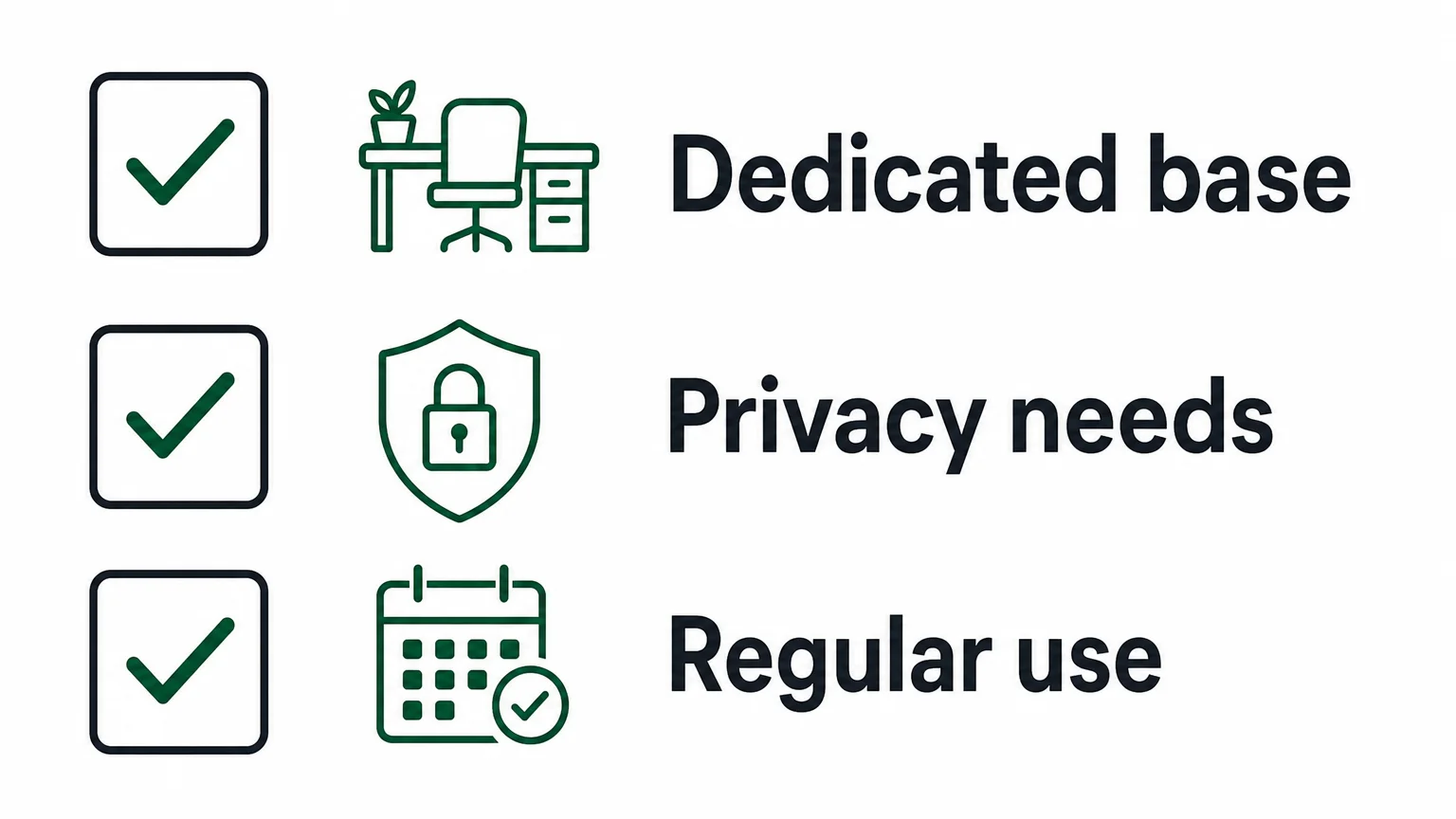
Before choosing, assess your routine. Ask how many people need space at the same time, whether they need a dedicated base, how often they will use it and whether their work calls for privacy. Compare the available formats against those needs instead of choosing based only on a job title or company size.
What should Birmingham businesses check?
Start with the working pattern. If your colleagues need a consistent room, ask about the private-office options available and whether they suit your team’s requirements. If you need flexibility or occasional access, ask about shared workspace and Day Passes instead.
Also check the location, opening information and the details of the arrangement before deciding. Our Birmingham location states that it is open 24 hours a day. Confirm which access arrangements apply to your chosen workspace, and ask about any terms or facilities you need before committing.
BLOCK Workspace has detailed location information for Birmingham and Bristol. Our private offices provide a dedicated option for businesses and organisations at different stages, while coworking areas and lounges offer shared alternatives.
Choose a workspace that fits how you work
Private office spaces commonly serve small businesses, growing teams and organisations that need a dedicated base. Some independent professionals may find one useful when regular access and privacy matter, while occasional users may prefer shared workspace or day access. In Birmingham, weigh your team’s routine, privacy needs and expected use before deciding. The right private office is the one that suits those practical requirements, not simply your organisation’s size.
Explore workspace options
Once you have identified whether you need a dedicated room or shared access, compare workspace formats with your team’s routine. At BLOCK Workspace, our offer includes private offices, collaborative coworking areas, lounges, flexible membership packages and Day Passes.
Our private offices provide dedicated workspace for businesses and organisations at different stages. Shared coworking and lounge areas are available for people who do not require their own office, while Day Passes support temporary or occasional access. Explore workspace options to consider which format may suit your needs.
Frequently Asked Questions
Are private offices only for large companies?
No. Small businesses, start-ups and organisations at different stages may use a private office when they need a dedicated base. The space should match the team’s actual requirements.
Can an independent professional use a private office?
Yes, if a dedicated room suits their routine, privacy needs and expected use. If they need workspace only occasionally, shared access may be a more suitable option.
What is the difference between a private office and coworking?
A private office is dedicated workspace for the business or organisation using it. Coworking takes place in shared workspace, which may suit people who do not need a room of their own.
Can I use workspace occasionally rather than every day?
Some workspace providers offer day access, but the format and inclusions can vary. At BLOCK, Day Passes provide temporary or occasional workspace access, not necessarily a private office.
What should Birmingham businesses consider before choosing?
Consider how many people need space, how often they will use it and whether they need a dedicated room or shared access. Check the location’s opening information and confirm the arrangements for your chosen workspace.